

Table of Contents
- Why Proper Storage Protects Your Investment
- Best Protective Cases for PSA Graded Cards
- Sports Card Storage Humidity Control and Climate Protection
- How to Store Graded Cards Long Term with UV Protection
- Layered Protection: Building Your Storage System
- Digital Inventory and Insurance Documentation
- Common Storage Mistakes to Avoid
- Frequently Asked Questions
Last Updated: September 21, 2026
Why Proper Storage Protects Your Investment
High-value sports cards represent serious capital. Whether you're holding PSA 9s worth thousands or vintage slabs that appreciate annually, the difference between pristine condition and degraded cardstock comes down to one thing: how you store them.
Environmental damage is silent and permanent. UV light fades foil over months, humidity warps cards, and temperature swings cause incremental damage. Learning how to store high value sports cards is foundational to protecting your portfolio.
A change in condition can affect a card’s grade and resale value, but there is no fixed percentage that applies to every card. Careful storage helps reduce avoidable moisture exposure, wear, and scratching; it does not guarantee a future grade or value.
The best protection combines multiple layers: impact-resistant cases, UV blocking, humidity control, and archival-quality materials. This guide breaks down how to build that system.
Best Protective Cases for PSA Graded Cards
Once graded and slabbed, cards need outer protection. You need a case that adds impact resistance and UV blocking without introducing new risks.
Magnetic slab cases are the standard for graded cards. The magnetic closure keeps slabs secure without pressure points, and crystal-clear material lets you display cards safely without handling risk.
The PSA grading standards for card condition emphasize that post-grading protection is critical to maintaining the assigned grade. Once a card is slabbed, your job is preventing any new damage that would trigger a regrade or value loss.
PrismGuard Pro's magnetic slab cases deliver 95% UV protection and precision fit that prevents movement, which causes corner wear. The shock-absorbing shell absorbs drops that would crack a slab.

Magnetic Slab Cases vs. Toploaders vs. Screwdown Holders
Each protective method has trade-offs. Understanding them helps you choose what matches your collection's actual needs.
Magnetic slab cases work best for graded cards you plan to display or hold long-term. They prevent movement, don't apply pressure to corners, and block UV fading.
Penny Sleeves and Inner Sleeves for Raw Cards
If you're holding raw cards, cards not yet graded, penny sleeves and inner sleeves form the foundation of your protection system. These aren't glamorous, but they're essential.
Sports Card Storage Humidity Control and Climate Protection
Humidity is the silent killer of card collections. Too much causes foil curling and mold; too little causes brittleness. The ideal range is 40-50% relative humidity at 68-72°F.
Understanding Moisture Damage and Foil Curling
Foil curling occurs when moisture causes the foil layer to separate from card stock, creating visible ripples. Once it starts, it's permanent.
Setting Up Desiccant and Climate-Controlled Storage
Desiccants provide a practical solution. Silica gel packets or rechargeable canisters absorb excess moisture and require replacement or recharging every 6-12 months.
How to Store Graded Cards Long Term with UV Protection
Cards displayed near windows can receive damaging light. Store cards away from direct sunlight and limit unnecessary display time; ordinary opaque walls do not transmit sunlight to cards.
PrismGuard Pro PSA Magnetic Slab Case →
Display vs. Archive: Choosing Your Storage Method
Display storage means cards are visible on shelves or stands. It requires UV protection and impact-resistant cases.
Organizing by Set, Value, and Centering
How you organize your collection affects how easily you can manage it and assess its condition over time.
Layered Protection: Building Your Storage System
The best storage system isn't a single product, it's multiple layers working together. Think of it like building a fortress. The outer walls (storage boxes) protect against physical damage. The inner walls (cases) protect against impact. The innermost layer (sleeves and desiccants) protects against moisture and handling.
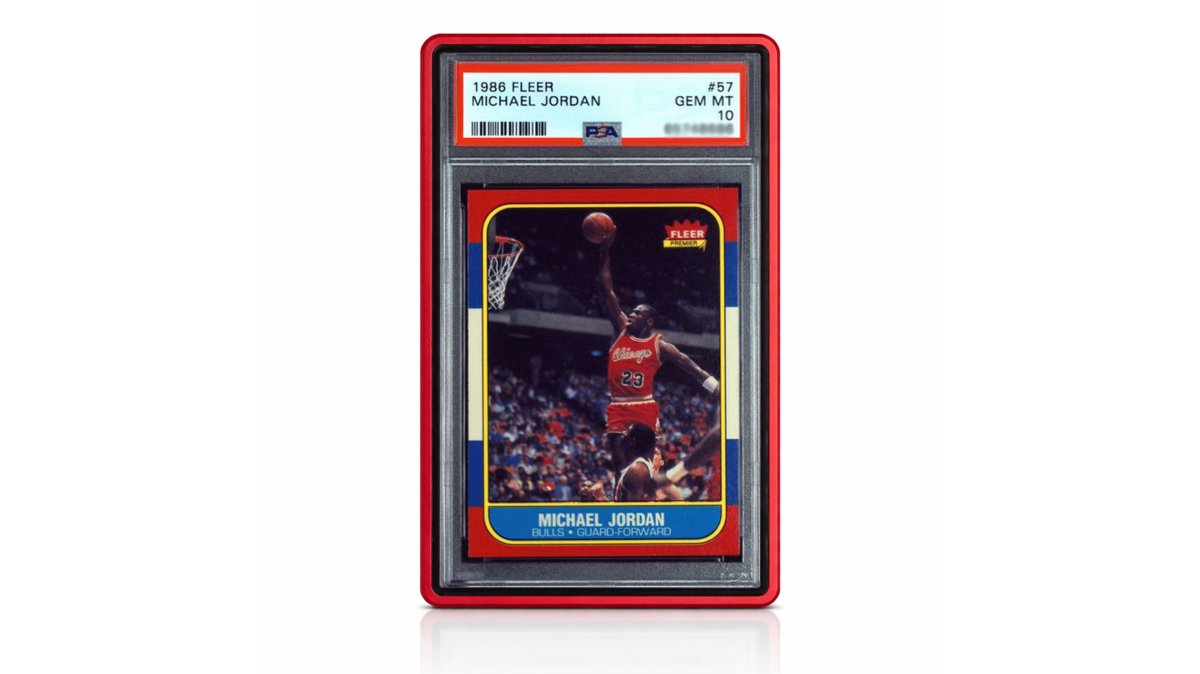
For graded cards, the system looks like this:
- Card inside PSA/BGS/CGC slab (factory protection)
- Slab inside a magnetic case with UV blocking (impact and light protection)
- Magnetic case inside an archival storage box (structural protection)
- Desiccant packet inside the storage box (moisture control)
- Storage box in climate-controlled location (environmental protection)
Impact-Resistant Cases and Acid-Free Materials
Impact resistance matters because cards get dropped, bumped, and transported. A case that absorbs shock prevents the slab from cracking or the card from bending. Materials matter because cheap plastic or cardboard can leach chemicals onto your cards over time.
Storage Box Selection and Fireproof Safe Considerations
Your storage box is the outermost layer. It should be acid-free cardboard or plastic, sized appropriately for your collection, and stored in a location with stable temperature and humidity.
Digital Inventory and Insurance Documentation
Your physical storage system protects the cards themselves. Your digital inventory protects your ability to prove what you own and its value.
Common Storage Mistakes to Avoid
The most common mistake is inconsistent protection. Using magnetic cases for some cards, toploaders for others, and raw cards in binders creates gaps in your system. A single card stored improperly can become your most damaged card.
Frequently Asked Questions
What is the best way to prevent UV damage to sports cards?
Store graded cards in cases with 95% UV protection, such as magnetic slab cases designed for PSA, BGS, or CGC slabs. Keep cards away from direct sunlight and fluorescent lighting, which accelerate fading and color degradation. If displaying cards on shelves, use UV-blocking cases and position them away from windows. For long-term archival storage, keep cards in opaque, acid-free storage boxes in a dark environment. UV protection is one of the most critical factors in preserving mint condition and grade-worthy appearance.
How does humidity affect the condition of sports cards?
High humidity causes moisture damage, foil curling, and mold growth that permanently degrades card condition and value. Low humidity (below 30%) can cause brittleness and corner wear. The ideal range is 40-50% relative humidity. Use desiccant packets or silica gel in storage boxes to absorb excess moisture, and monitor humidity with a hygrometer. Climate-controlled storage environments maintain stable humidity and prevent the environmental stress that damages slabs and card stock over time.
Should I store my high-value graded cards in a binder or a hard case?
Hard cases, specifically magnetic slab cases designed for your grading company (PSA, BGS, or CGC), offer superior protection for graded cards. They provide impact resistance, UV blocking, and precision fit that prevents rattling and surface scratching. Binders expose cards to dust, temperature fluctuations, and handling damage. For graded cards held as investments or in mint condition, magnetic cases preserve condition far better than binders. Binders work only for raw, lower-value cards you handle regularly.
What are the benefits of using magnetic cases for graded cards?
Magnetic slab cases provide crystal-clear visibility without requiring you to remove the card from protection, eliminating fingerprints and handling risk. The secure magnetic closure keeps the slab firmly in place, preventing rattling that causes corner wear and surface damage. Precision-fit cases designed for PSA, BGS, or CGC slabs ensure cards don't shift during transport or storage. Combined with 95% UV protection and impact-resistant materials, magnetic cases deliver long-term preservation suitable for both display and archival storage of high-value graded cards.
Do I need a fireproof safe for my sports card collection?
A fireproof safe is recommended for collections worth $5,000 or more, especially if you hold vintage graded cards or PSA 9-10 specimens. Fireproof safes protect against environmental disaster and theft. However, safes can trap moisture, so include desiccant packets and ensure proper air circulation. For smaller collections or cards stored in climate-controlled homes, a locked storage box in a cool, dry location may be sufficient. Consider your collection's total value, local risks, and insurance requirements when deciding whether a fireproof safe is necessary.
How should I organize my high-value collection for long-term storage?
Organize graded cards by grading company (PSA, BGS, CGC), then by card number, set, or value within each category. This system makes inventory tracking and insurance documentation easier. Store each graded slab in an individual magnetic case or rigid holder to prevent surface scratching and corner wear. Keep a digital inventory with photos, grades, and estimated values for insurance purposes. Label storage boxes with contents and dates. Separate display cards (in UV-protective cases on shelves) from archival storage (in climate-controlled boxes away from light) to balance accessibility with preservation.
What makes magnetic cases better than other protective options for graded cards?
Magnetic cases like the PrismGuard Pro PSA Magnetic Slab Case ($16.99) combine impact resistance, 95% UV protection, and precision fit in one solution. Unlike screwdown holders, they don't risk damaging the slab or grading label through excessive pressure. Unlike toploaders, they provide rigid protection suitable for high-value graded cards. The secure magnetic closure prevents rattling, while crystal-clear visibility lets you display cards without removing them from protection. This combination makes magnetic cases the preferred choice for serious collectors managing PSA, BGS, and CGC graded portfolios.
Can magnets in cases damage graded cards or grading labels over time?
Modern magnetic slab cases use weak neodymium magnets positioned to secure the case closure without contacting the card or label directly. The magnets are encased in the plastic frame, creating physical separation from the slab. Grading labels are cardstock and not affected by magnetic fields. Thousands of collectors have used magnetic cases without documented label or card damage. If you're concerned, test a lower-value card first. Most reputable manufacturers, including PrismGuard Pro, design cases specifically to avoid any magnetic contact with contents.